


原标题:Martin J. Blaser:阻挠微生物消失,我有7点主张!
本视频录制于2017年12月02日,之前未整理讲演图文实录,近期咱们特别对此作了组织,以飨读者。
Martin J. Blaser ,美国医学院院士,美国人文与科学院院士。
现任纽约大学朗格尼医学中心医学教授、微生物学教授,纽约大学人类微生物组计划负责人。
风行全球的书——《消失的微生物》的作者。
Thank you very much, Mr. Gut, I'm very happy to be here. It was very nice to meet so many people today who are interested in my book.And I hope to tell you something that I think is important.
I'm very happy to be here in China, because China, as you know, is in the middle of different kinds of revolutions. And I first came here about 30 years ago, and it is amazing to see how much China has become modern, and ultra-modern.
Today I was on the train, and it's so much nicer than our trains. So we have very much to learn from you, and now maybe I can try to tell you some things as well.
非常感谢你,热心肠先生,我很快乐来到这儿。今日见到这么多对我的书感爱好的人,真是太好了!我期望告知咱们一些我以为很重要的作业。
我很快乐来到我国,由于如咱们所知,我国正处于各式各样的革新中。我第一次来这儿是大约30年前,令人吃惊的是,现在我国现已成为如此现代化以及超现代化的国家。
今日我在火车上,发现我国的火车比美国的好许多,所以咱们有许多东西要向你们学习,或许现在我也能够试着告知咱们一些作业。
So today I talk about our missing microbes.
And another way to look at this is that it's a story about ecology, about human ecology and how human ecology is changing.
I was lucky that I have a wonderful publisher, Hunan books, and they have submitted my book, Missing Microbes, and it just won a big award this year.
You can see that people all over the world are reading it, even in Chinese. And because it's being translated into a number of languages, and I'm very pleased that people in China will be able to read it.
为此今日我要讲讲关于“咱们消失的微生物”的论题。
从另一种办法来看待的话,这是一个关于生态学、人体生态学与人体生态怎么改动的故事。
很走运我有一个很棒的出书商——湖南科技出书社,他们现已出书了我的书《消失的微生物》,并且它本年刚刚赢得了一个大奖。
在国际各地,你都能看到阅览这本书的人,包含中文版别,由于它被翻译成多种语言,我很快乐我国读者能读到这本书。
So now let me begin.
And I begin by showing these photographs of Greenland from outer space in 1992 and 2002.
And you can see that in 2002 there is less ice. And the reason that there's less ice is what we call global warming. And we can define global warming as a change in our macro-ecology because of human activities.
现在我要开端我的讲演。
我首要展现这些1992年和2002年从太空拍照格陵兰岛的相片,咱们能够看到2002年这儿的冰川变少了,而冰变少的原因便是所说的全球变暖,咱们能够把全球变暖界说为人类活动导致的微观生态改动。
And what I'd like to talk about today is how our micro-ecology is changing because of human activities.
And unfortunately, I think it is happening on the same scale, and maybe even a little faster.
我今日要讲的是人类活动怎么改动咱们的微生态。
相同不幸的是,我觉得它发作的规划和全球变暖是相同的,乃至更快一些。
So I will begin by telling you some things about the United States, some things that many of you know already.
我首要要告知咱们一些关于美国的故事,是一些大多数人都现已知道的故事。
This slide behind me is about the trends in obesity in adults in the United States.
And there are three maps here. The first map is from 1989, and in that year there is no state in the United States where more than 14% of adults are obese. And the last map is from 2010, and at that time there is no state that has less than 20% obesity.
我死后这张幻灯片是关于美国成人肥壮的趋势图。
这儿有三张地图,第一张地图是1989年,这时美国没有一个州的成年人肥壮率超越14%,最终一张地图是2010年,这时美国没有一个州的成年人肥壮率低于20%。
And so what's remarkable is that it's happening all over the country, and the difference between the first and the last map is only 21 years.
Something very powerful is happening.
因而值得留意的是,全美各地都是这样,第一张地图和最终一张地图之间仅相隔21年。
这个国际正在发作一些大事。
We know that obesity in adults begins in childhood.
And this is illustrated by this slide, looking at obesity trends over about a 35-year period. And you can see that over time, the trends are going up, even in the youngest children.
In fact, this is happening all over the world. And childhood obesity will one day lead to adult obesity.
咱们知道成年人肥壮始于幼年。
通过重视35年时刻里的肥壮趋势,这张幻灯片阐明晰这一点,并且你们能发现跟着时刻的变迁,这一趋势仍在上升,乃至在儿童身上也是如此。
事实上,全国际都在发作这样的作业,幼年的肥壮终有一天会导致成年人肥壮。
Now it is especially important to think about what's happening in China.
In 1985, there were very few children who were obese, and by 2014 the numbers have skyrocketed.
现在尤为重要的是想想我国正在发作什么?
在1985年,极少数的孩子会肥壮,可是在2014年,肥壮儿童的数字飙升。
In fact, in boys in China, you're almost at the same rate as boys in the United States, and I think that's very bad news. And the trend shows no sign of getting any better.
实际上,我国男孩的肥壮率简直和美国的差不多,我以为这是个坏消息,并且这种趋势没有任何好转的痕迹。
Not just children. We're seeing it throughout our society, and I show this just to remind you.
In fact, it's happening to our pets, to our dogs and cats also. But obesity is not the only disease that is going up.
不只是是儿童,在整个社会人群中咱们都能看到,我展现这些便是为了提示咱们。
其实,肥壮也会发作在咱们的宠物,咱们的狗和猫身上,但肥壮并不是仅有正在上升的疾病。
Now we see big rises in juvenile diabetes, type-1 diabetes. It's doubling every 20 or 25 years.
And asthma is going up everywhere. And diseases of the esophagus are rising dramatically.
And there are many others.
现在咱们看到青少年糖尿病,即1型糖尿病的患病率也大幅上升,每20年或25年就会翻一番。
并且不论在哪里,哮喘患病率都在上升,食道疾病也正在急剧上升,还有许多其他疾病。
And the question is, why are all these diseases going up at the same time? Do they all have separate causes or is there one thing that is underlying all of them?
问题是,为什么一切这些疾病的患病率会一同上升?它们都有各自的原因吗?仍是有一种原因埋伏其间?
So in Missing Microbes, I talk about the idea that it's because of a change in our microbes, that it is underlying everything.
And that can be illustrated by this slide which is a sketch of the interactions between microbes that know our human biology.
所以在《消失的微生物》这本书中,我谈到了一个概念,以为这些是由于咱们的微生物发作了改动,它是以上一切的潜在原因。
这能够用这张幻灯片来阐明,它是了解咱们人类生物学的微生物之间相互作用的示意图。
And this is from work I did with a mathematician, Denise Kirchner.
Our idea is that the microbes are talking to the cells of the human body and is receiving conversations back. And this forms an equilibrium.
And Denise has shown that this is a very strong equilibrium, it's robust, it's resilient.
这是我和数学家 Denise Kirchner 一同协作得到的作用。
咱们的主意是微生物正在与人体细胞沟通,并承受人体细胞的回话,这就形成了一种平衡。
Denise 现已标明这是一个很强壮的平衡,它既稳健又有弹性。
What I want to talk about today is what happens when we lose that relationship? What happens when it's.. Firstly when it's disturbed? And then, ultimately, what happens when it's lost?
今日我想谈的是当咱们失掉这种联系时会发作什么?首要,当它被扰动时会发作什么?最终,当失掉这种联系时会发作什么?
So to introduce the subject in another way, let me remind you that we humans are mammals.
And we begin our life in the womb, which is sterile.
Our big exposure to bacteria, to other microbes, happens when the water breaks, and the baby descends through the birth canal and is covered by the mom's microbes.
The baby swallows the microbes, and now they have contact with the mother's skin, with the mother's breast. The mothers are kissing and licking babies. All of these are very efficient ways of transferring microbes from one generation to the next.
That's the way it's always been for mammals, for the last 100 million years.
为了用另一种办法介绍这个主题,我提示咱们一下,咱们人类是哺乳动物。
咱们在无菌的子宫里开端咱们的生命。
咱们许多露出于细菌和其他微生物是在羊水决裂时开端的,婴儿从产道中出世,身上包裹了母亲的微生物。
婴儿吞食这些微生物,而这时他们现已触摸了母亲的皮肤和乳房,母亲们亲吻、舔舐婴儿。这些都是将微生物从一代传给下一代的非常有用的办法。
在曩昔的1亿年里,哺乳动物一直是这样传递微生物的。
But these days, mothers are not the same as they used to be. They live in a world of antisepsis. They've taken many courses of antibiotics. They're eating foods that have antibacterials. And babies aren't the same either. They may be born by cesarean section.
Here in Shanghai, about one baby out of two is born by cesarean section. They're missing that first exposure to their mothers' microbes. They're bathed extensively. They're given formula which is only superficially like human milk.
And of course, babies are getting a lot of antibiotics.
但现在,母亲和曾经不相同了。她们生活在一个抗菌的国际里,她们服用了许多抗生素,她们在吃含有抗菌药物的食物。并且婴儿也和曾经不相同了,他们或许是通过剖腹产出世的。
在上海,大约两个婴儿中就有一个经由剖腹产出世,他们错过了第一次触摸母亲微生物的时机,他们被冲刷得很洁净,他们喝的是只是和母乳类似的配方奶粉。
当然,婴儿们会触摸到许多的抗生素。
Because of this, over the last 20 years I've been thinking of an idea that I call the disappearing microbiota theory.
And it has two main ideas.
The first is that human ecology is changing, and it has altered the transmission of these microbes, and their maintenance of our very ancestral microbes.
And that affects the composition of what we're carrying. And especially important are the microbes that are usually acquired early in life, in childhood, since they affect a critical stage in development.
正由于如此,在曩昔的20年中,我一直在考虑一种我称之为消失的微生物的理论。
它有两个首要的观念。
首要,人体生态正在发作改动,并且它现已改动了这些微生物的传达以及对咱们先人的微生物的坚持。
这会影响咱们带着的微生物的构成,特别重要的是通常在生命前期和幼年取得的那些微生物,由于它们影响发育的要害阶段。
A few years ago, we extended this idea, and it's shown here, the effect of the mother's status of the microbiota of the next generation.
Our idea of ancient mothers is that they had ancient microbes.And if, before the next generation was born, they lost a few, maybe they could regain them horizontally.But if they lost them and they couldn't regain them, then the next generation would be born at a deficit. And so on, and so forth.
So that the change in each generation is cumulativeIt's not that it resets with each generation, but that it gets worse with each generation. This was our idea.
几年前,咱们加强了这个主意,这儿展现了母亲菌群的情况对下一代的影响。
咱们以为,古代母亲具有陈旧的微生物们。假如在下一代诞生之前,她们失掉了一些微生物,或许能够水平地复得它们,但假如不能合浦还珠,下一代会在一个微生物缺乏的环境中出世,等等,等等。
每一代的改动都是累加的,并不是每一代会清零,而是每一代都变得更糟。这便是咱们的主意。
And fortunately, there's now evidence supporting this idea.
We talk about helicobacter pylori, which used to be the most common organism, the most important organism in the human stomach.
And here in this study of three generations in Japan, you can see the same kind of step down that we were worried about.
走运的是,现在有依据支撑这个观念。
咱们讲到幽门螺杆菌,曩昔是最一般的生物体,也是在人类胃里边最重要的生物体。
这儿是关于日本三代人的研讨,咱们能够看到咱们所忧虑的相同退变。
We can look at the overall diversity of microbes in the human body.
And this is work by Maria Gloria Dominguez, who's my wife, and she's right there.
Gloria looked at the total amount of diversity in the intestinal tract in children in the United States, and people in Africa and South America.
In a group of uncontacted Amerindians, they had never seen any kind of medical care.
And what she found is that the Amerindians had the greatest diversity. And we people in the United States, had the least. And you can almost imagine that step going down. And comparing the Amerindians to us, it suggests that we have already lost half of our diversity, that it's already gone.
咱们能够看到人体内微生物的全体多样性。
这是我的妻子 Maria Gloria Dominguez 的作用,她今日也在场。
Gloria 调研了美国儿童,以及非洲、南美洲的人们肠道内的物种的总多样性。
在一组与世隔绝的印第安人中,他们从未承受过任何方式的医疗护理。她发现,印第安人的微生物组具有最大的多样性。
而咱们美国人的多样性最少,你简直能够幻想到多样性的逐渐下降。拿印第安人和咱们比较,标明咱们现已失掉了一半的微生物多样性,它们现已消失了。
So what could be causing this?
I think there are many causes. But I'm going to highlight just one, and that's antibiotics.
All of us in this room know that antibiotics are one of the greatest discoveries of the 20th century.
There's a picture of Fleming, reenacting the discovery of penicillin. Antibiotics have saved countless lives. They've influenced every area of medicine.
那么这是什么原因形成的?
我想原因有许多。但我要着重其间一个,那便是抗生素。
在座的每一个人都知道,抗生素是二十世纪最巨大的发现之一。
这是一张 Fleming 的相片,重现了青霉素的发现。抗生素抢救了无数人的生命,它们影响了医学的各个领域。
And as a result, we've been using antibiotics more, and more, and more. How much more?
It's estimated that each year we're using more than 70 billion doses of antibiotics.
That's 10 doses of antibiotics for every man, woman and child on earth.
In the United States, we, on average, we have 833 courses per 1000 population. So that's five courses for every six people, year after year.
In children under two, they've had almost three courses of antibiotics. By the time they're 10, 10 courses of antibiotics. Pregnant women, just before the transfer of microbes, more than half of them are getting antibiotics.
作用咱们越来越多的运用抗生素,有多频频?
据估计,咱们每年都要运用700亿剂以上的抗生素,也便是地球上每个男人、女人和孩子运用10剂抗生素。
在美国, 咱们每1000人均匀运用833阶段的抗生素医治,也便是每6个人承受5个阶段,年复一年。
在2岁以下的儿童中,他们现已承受了将近3个阶段的抗生素医治。等他们长到10岁,就有10个阶段。就在微生物传递之前,超越对折的孕妈妈正在运用抗生素。
Antibiotic use varies tremendously Doctors. Some doctors prescribe it a lot, some hardly prescribe it.
If we look at the map of the United States, the national average is 833 per 1000.
In the northeast and the Midwest, it's similar to the average. But in the west, it's much less. In the south it's much more. Between the west and the south, there's a 50% difference, but there's no 50% difference in the rate of serious bacterial infection.
This reflects differences in culture, in practice, not medical necessity.
抗生素运用也有巨大不同,一些医师在处方中开许多抗生素,一些医师简直不开。
假如咱们看着美国的地图,全国均匀1000人运用833阶段抗生素。
在东北部和中西部,与均匀值适当;但在西部,要少许多;南部又要多出均匀值许多。在西部和南部之间,有50%的差异,但严峻细菌感染率没有50%的不同,这反映了文明、实践并不是医疗必要性的差异。
So I think it's interesting to compare these two maps from the Center for Disease Control in 2010. On the left, obesity. On the right, antibiotic use.
And if you look at the maps, they look very similar. It's not random.
But these are observational data. They don't tell us anything about cause. Could antibiotics cause obesity? Could obesity cause people to use antibiotics? But they get our attention.
我以为比较这两张2010年的地图很有意思,它们来自于美国疾病控制中心。
左面,肥壮。右边,抗生素。
假如你看地图,会发现它们看上去很类似。这不是偶尔。
但这些都是观测数据,它们没有告知咱们任何原因,抗生素能引起肥壮吗?肥壮会导致人们运用抗生素吗?但它们引起了咱们的留意。
But in fact, we've known for 70 years that antibiotics affect metabolism.
Because farmers use antibiotics to improve the growth of their livestock. Antibiotics work between chickens and cows, a very wide swath of vertebrate evolution. Antibiotics work as antibacterials, regardless of their chemical structure, their class, their target, their spectrum. Antivirals do not work.Antifungals don't work.
Very importantly, the farmers found that the earlier in life they start the antibiotics, the bigger the effect. And this suggested to us that antibiotics are affecting development.
实际上,关于抗生素会影响代谢,咱们现已知道了70年。
由于农人运用抗生从来促进家畜的成长,抗生素对鸡和牛都起作用,它们是脊椎动物进化进程中非常广泛的分支。抗生素被当作抗菌药物,不论它们的化学结构、品种、方针、规模怎么。抗病毒药物不起作用,抗体也失掉作用。
非常重要的是,农人们发现越早开端运用抗生素,影响就越大,这也向咱们暗示抗生素正影响开展。
So we began to do studies in mice, where we could study it very carefully. Where we would give mice antibiotics or not. Asked what happened to the mice? What happened to their microbiome? And see if we could find relationship.
所以咱们开端在小鼠身上做研讨,这样咱们能够非常细心地研讨它。咱们给小鼠运用抗生素,探求小鼠身上发作了什么?它们的微生物组发作了什么?看看咱们是否能找到相关。
I'm going to show you a few of our results. Our first studies were done by Dr. Ilseung Cho when he worked in my lab. He wanted to know what's the effect of antibiotics on body fat.So he gave mice four different antibiotic regimens at the midpoint of the level approved for use on the farm.
And in this graph, you can see that the mice that got antibiotics had more body fat than the control mice that did not get antibiotics. This was our first evidence that antibiotics were changing metabolism in the mice model. And you can see it in these pictures of the mice as well.
我要给咱们展现一些咱们的作用。
咱们第一个研讨是 Ilseung Cho 博士在我试验室作业期间完结的,他想知道抗生素对体脂有什么影响。他运用了同意用于养殖场的中心剂量,给小鼠拟定了四种不同的抗生素计划。
在这张相片中,承受抗生素的小鼠比未承受抗生素的对照小鼠具有更多的体脂。这是咱们的第一个依据证明抗生素会改动小鼠模型的推陈出新。咱们也能够在这些小鼠的相片上看出来。
So this work was continued by Laurie Cox when she was a graduate student in my lab.
She asked what happens if she combined a diet that's high in fat, high in calories, with antibiotics. Would there be additive effects? So she gave mice penicillin, or not.And then, at week 17, half the mice were put on a high-fat diet. She used the same kind of antibiotic regimen that farmers use.
这项作业后来由我试验室的研讨生 Laurie Cox 持续推动。
她想探求假如把高脂肪、高热量的饮食和抗生素结合在一同会发作什么。会有叠加效应吗?所以她给一些小鼠打针青霉素,另一些不打针,并喂它们吃正常的食物。接着,在第17周,其间一半的小鼠吃高脂食物。她运用的是与农人们运用的相同的抗生素。
So in the mice that were put on a high-fat diet, that's the black line.
They gained a lot of fat. But if they were on high-fat plus antibiotics, they gained even more. That was male mice on the top, and female mice it's similar, but it's worse.
The female mice on the high-fat diet gained five grams of body fat. High-fat diet plus penicillin, 10 grams.It doubled the amount of body fat. So the antibiotic potentiated the effect of the high-fat diet. Up to this point, the mice were getting antibiotics for their whole life.
她得到许多作用,我想把要点放在身体脂肪上,显现在图片的中心。
在高脂饮食的小鼠身上,由黑线显现的它们长了许多脂肪。但假如它们在高脂饮食再加上抗生素的情况下,它们会长更多脂肪。在顶部的是雄性小鼠,雌性小鼠也类似,但更严峻。
高脂饮食的雌性小鼠体重长了5克,高脂饮食加上青霉素,长了10克。它使体内脂肪的量增加了一倍,所以抗生素增强了高脂饮食的作用。到此时停止,小鼠在一生中都在运用抗生素。
So next we asked, would the changes persist if the antibiotic exposure was much shorter?
So in addition to lifetime antibiotics, we only gave antibiotics for 8 weeks, or only for 4 weeks. Here's the effects on total mass, muscle mass, fat mass. All the antibiotic regiments had the same effect. So even 4 weeks was enough. That was enough for the full effect.
接下来咱们会问,假如触摸抗生素的时刻变短,这些改动还会持续吗?
在毕生运用抗生素之外,咱们在一些小鼠身上,只给了8周抗生素,或只需4周。这是对总质量、肌肉量、脂肪量的影响,一切的抗生素组合都有相同的作用。所以只需4周就满足了,这就满足形成彻底的影响。
So then we were interested to see what's the effect of the antibiotic on the microbiome. So this slide is a little complicated. I'm going to tell you about it very slowly.
First, we're going to look at what is the composition of the microbiome in the mice that are 3 weeks old. And at 3 weeks, really there are only two groups of mice. The mice that received antibiotics shown in orange, and the mice that didn't receive, the control, shown in black. On the left side is what we call a principal coordinates analysis. Each dot is the composite of the microbiome in one mouse.
And what we can see is that the black dots and the orange dots are similar in their distribution, but they're not identical.That's not surprising. One group is getting antibiotics, the other is not.
接下来咱们很有爱好想看到抗生素对微生物的影响是什么?这张幻灯片有点杂乱,我会很慢地向咱们解说。
首要,咱们要去看看3周大的小鼠的肠道菌群是由什么组成的。在3周的时刻里,只需两组小鼠,承受抗生素的小鼠用橙色表明,而那些没有承受抗生素的对照组小鼠则用黑色表明。在左面是咱们所说的主坐标剖析,每一个点代表一只小鼠的微生物组成。
咱们能看到的是黑点和橙点在散布上类似,但又不彻底相同,这并不古怪。其间一组持续运用抗生素,另一组没有。
Now we're going to look at 8 weeks. And at 8 weeks, we actually have three groups of mice.
Control mice, no antibiotics.Continued antibiotics,But we have another group in blue that got antibiotics for 4 weeks and then stopped. So now, when we look at the dots on the graph, we see, between the controls in black and the antibiotics in orange, there's more distance. That's not surprising.
One group is getting antibiotics. But the group that got antibiotics then stopped, their microbiota have become normal. But the effect on the body fat is permanent. So this was our most important evidence that if we change the microbiota early in life, even if it's short, it will have permanent effects.
现在咱们看看运用抗生素8周的小鼠,实际上咱们有三组小鼠运用了8周的抗生素。
对照没有运用抗生素的和持续运用抗生素的小鼠。别的咱们有一组小鼠运用了4周抗生素后停药了,用蓝色表明。现在,当咱们看图表上的点时,咱们会发现以黑色标明的对照组和以橙色标明的抗生素组之间间隔更大了。这并不古怪。
其间一组持续运用抗生素。可是那组运用抗生素后又停药的小鼠,它们的菌群已趋于正常,但对身体脂肪的影响是永久性的。这是咱们最重要的一个依据,证明假如咱们在生命前期改动菌群,即便时刻很短,也会发生永久的影响。
And we think that's what's happening in people as well.To understand this further, we did a transplant of microbes in mice that received antibiotics or did not. We harvested their microbes from their intestine, and we gave them to germ-free mice.
And now we're establishing their new populations. These are mice that had no bacteria at all.
And we followed these mice for the next 5 weeks.They did not receive any antibiotics. And at the bottom, we can see the effects. The black line is the control group. The antibiotic perturbed microbiota increased the total mass of the mice. It didn't affect their muscle mass, but it affected their fat mass. So the signal was in the microbiota, the altered microbiota is carrying the metabolic signal.
咱们以为这样的作业相同会发作在人类身上,为了进一步了解,咱们对有或没有运用抗生素的小鼠进行微生物移植,从它们的肠道里获取微生物,并把它们移植给无菌小鼠。
这些是彻底没有细菌的小鼠,现在咱们正在树立它们的新种群。
在接下来的5个星期里,咱们盯梢这些小鼠的情况:它们没有触摸任何抗生素。在底部,咱们能看到这些影响。黑线表明对照组,受抗生素搅扰的菌群增加了小鼠的总质量。它没有影响肌肉质量,但影响了脂肪质量,头绪就在菌群中,被改动的菌群带着着推陈出新指令。
Now, we've been interested in other diseases. Another student in the lab, Alexandra Livanos, was interested in type-1 diabetes.
Her idea was that early-life antibiotics would change the gut microbiome and lead to type-1 diabetes in a special kind of mouse that gets this spontaneously.
She hypothesized it would be due to changes in the expression of genes in the intestine, and to populations of t-cells in the intestine.
She's shown every part of this.She graduated and got her degree.
现在,咱们对其他疾病发生了爱好。试验室里的另一个学生,Alexandra Livanos,她对1型糖尿病感爱好。
她的主意是,在一种特别的小鼠中,在生命前期触摸抗生素会改动肠道微生物组,并自发地导致1型糖尿病。
她估测这归因于肠道中基因表达和T细胞种群的改动。
她展现了其间的每一部分。她结业并拿到了学位。
So let me begin to finish up by saying, our ideas that antibiotics are having an impact on long-term health by how they affect the microbiota.
Our idea is that, in health, the ancient gut microbes are talking to our stem cells, they're guiding them. Those conversations are telling them how much fat to develop, how much muscle, how much bone, what should their immune cells be like.
That early development leads to long-term development. But in antibiotic-treated individuals, or individuals who have missing microbes, the gut microbiota is different. The conversations are different.
The early-life development is different, and the long-term physiology is different. This is our major theory.
我开端作一些总结讲话,咱们以为抗生素通过影响菌群对健康产成长时间的影响。
咱们的主意是,在健康个别中,陈旧的肠道微生物能与咱们的干细胞沟通对话,前者引导着后者。这些对话告知身体要长多少脂肪、肌肉、骨骼,以及免疫细胞要长成什么样。
前期的发育会影响长时间发育,但在通过抗生素医治,或在有微生物消失的个别中,肠道菌群是不同的,这些对话也是不同的。
生命前期的发育不同,长时间的生理也不同,这是咱们的首要理论。
So what's the future going to bring?
Here, we go back to this idea of the step going down, each generation getting worse.
The blue line might be a country like the United States. The red line might be China. It started to develop later, but it's developing so rapidly. Maybe the yellow line is a country in Africa or Latin America that's just beginning to develop. So we're all going down.
What will the future bring?Will it continue to go down? Will we stop it from going down any further? Or will we begin to restore?
I think that we will have to begin to restore, otherwise we will have many of these modern plagues.
那么这会对未来带来什么呢?
这儿,咱们回到退变这个主意,每一代人会变得更糟。
蓝线代表的或许是一个像美国这样的国家,红线或许是我国,它开端开展得迟,但开展得却很快。或许黄线是一个在非洲或拉丁美洲的国家,才刚刚开端开展。在菌群多样性方面咱们都在往下走。
未来会带来什么?还会持续走下坡路吗?咱们能阻挠它进一步往下走吗?仍是咱们会开端重构菌群多样性?
我以为咱们有必要开端重构,不然会呈现许多现代瘟疫。
So I think that the doctors of the future, when they examine a baby, are going to examine the baby's diaper.
And they're going to ask, does this baby have all the microbes that they should have? The global microbes that every baby should have? Or certain personal microbes that that particular baby should have based on who that baby is and what's their genetics?
我想,当未来的医师查看婴儿时,应该要查看婴儿的尿布。
他们会问,这个婴儿具有一切他应有的微生物吗?每个婴儿应有的一切微生物都有了吗?或者是根据婴儿是谁以及他们的遗传而有必要有的某些个别化微生物?
And if the baby doesn't have those microbes, I'm thinking the next generation of doctors are going to give those microbes back to the baby to try to restore their health, and to study what's going to be the effect on the baby.
假如婴儿没有这些微生物,我以为今后的医师应该把这些微生物移植回婴儿体内,以尽力康复他们的健康,并研讨这会对婴儿发生什么影响。
Is this going to make them better or not?
This is what I think the medicine of the future is going to look like.
这是否会让他们变得更好?
这便是我所以为未来的医学的姿态。
So what's my advice for mothers in China, mothers everywhere in the world?
- We need to reduce antibiotic exposures unless they are medically necessary, unless the doctor says this child, this person must have an antibiotic.
- We need to avoid antibiotic taking of young girls and young women unless necessary.
- Avoid taking antibiotics in pregnancy unless necessary.
- Don't have a cesarean section unless it has to be done.
- Don't give your baby antibiotics unless it has to be done.
- Babies should be nursed as long as possible.
- We should avoid foods that have antibiotics in them.
- We should avoid drinking water that contains antibiotics.
This is a lot to think about, but I'm very happy for everyone's attention.
Thank you very much.
我对我国以及全国际的妈妈们有什么主张呢?
- 咱们要削减触摸抗生素,除非这是医疗一切必要,除非医师说这个孩子,这个人有必要运用抗生素。
- 咱们要防止年青女孩和妇女运用抗生素,除非必要。
- 防止孕期服用抗生素,除非必要。
- 不要剖腹产,除非必要。
- 不要给你的宝宝运用抗生素,除非必要。
- 婴儿应承受尽或许长的母乳喂养。
- 咱们应该防止食用含有抗生素的食物。
- 咱们应该防止饮用含有抗生素的水。
这需求考虑许多,但我对咱们的重视感到很快乐。
非常感谢咱们。
(全文完毕)
欢迎投稿:
微信投稿:
联系人:胡潇航
微信号:13011291868
邮箱投稿.
请以 Word 附件方式发送
标题为【投稿人/组织】+【标题】+【字数】
投稿邮箱:huxh@mr-gut.cn
责任编辑:
 今天,万人齐聚!富冶集团·2025杭州富阳半程马拉松激情开跑!
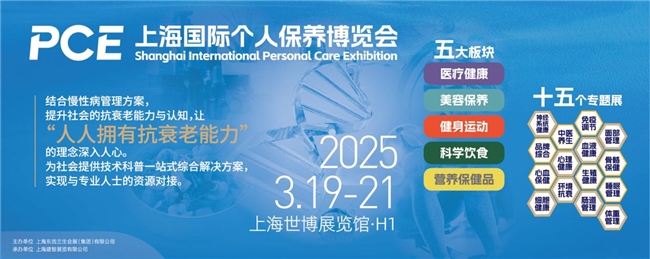 2025上海国际个人保养博览会 ——构建健康新生态,引领抗衰新纪元
 正确打飞有助于改善枣蟹?爱廷玖达泊西汀片助力快男延时
 中国首家“藻饮”店亮相北京,引领健康饮品新风尚
 东软:智能化时代 数据价值化助力医疗服务同质化进程
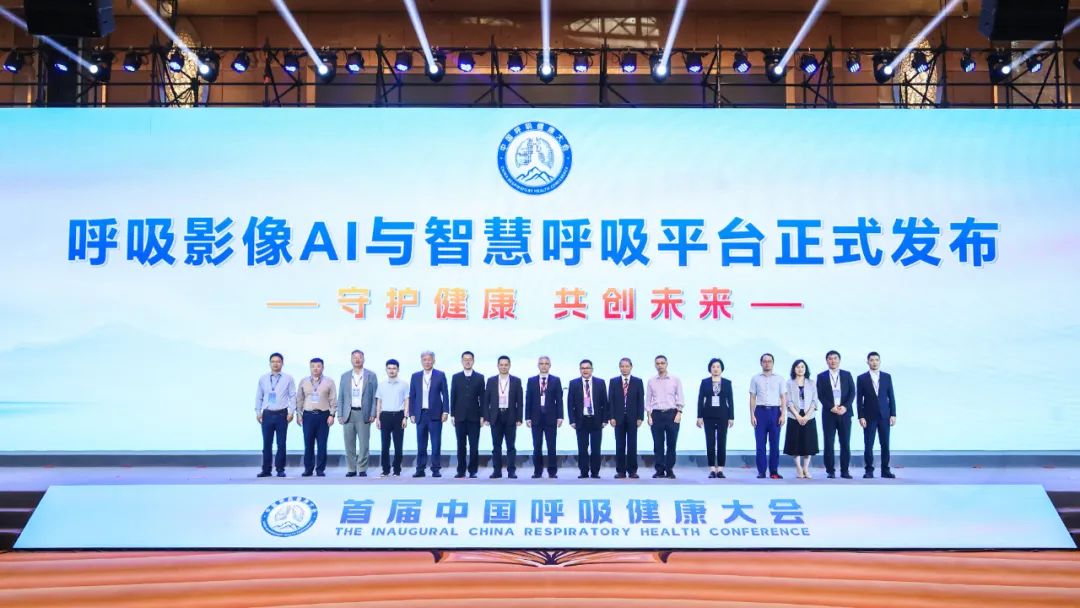 智慧平台,健康呼吸!慢阻肺患者早筛早治新希望
 以“轻生活”为钥,解锁健康新密码
 开学季呼吸道“告急”?映美雾化器强势救场!